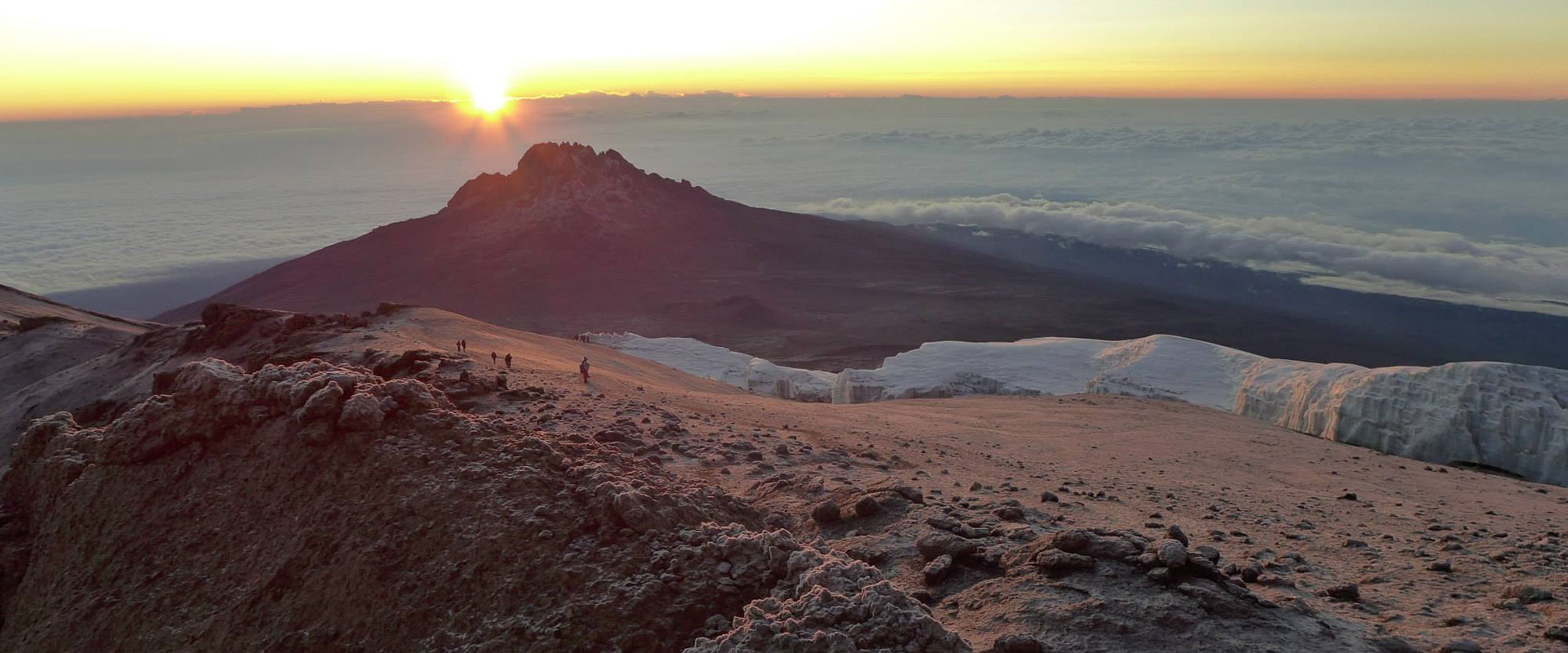
The Rongai Route is the only trekking path on Mount Kilimanjaro that approaches the mountain from the north, near the Kenyan border. Beginning on the peaceful northern slopes at the Rongai Gate, it offers climbers a unique combination of gentle trail inclines, low foot traffic, and excellent weather advantages—especially during the rainy seasons.
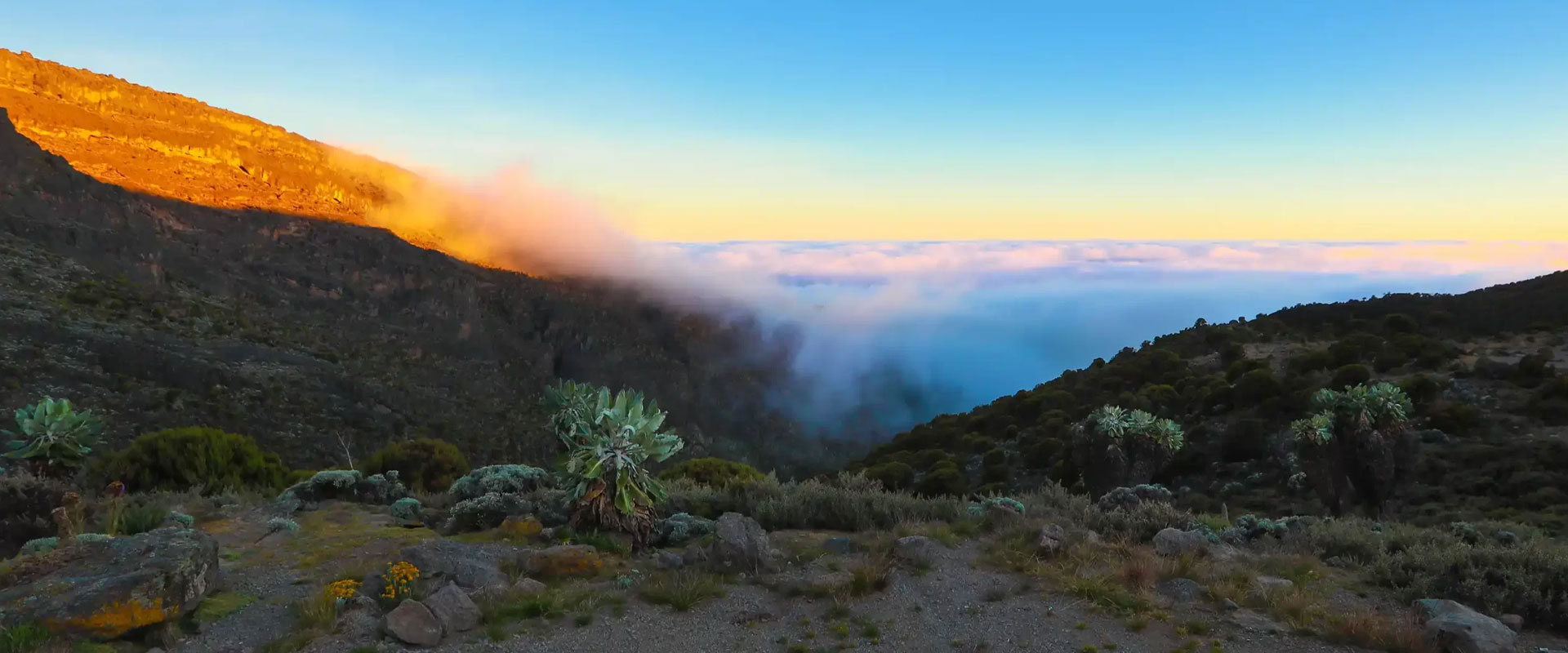
As one of the most serene and unspoiled routes on Kilimanjaro, Rongai is famous for its quiet wilderness atmosphere and gradual ascent profile. It takes trekkers on a captivating journey through five distinct ecological zones—ranging from pristine pine forests and open moorlands to alpine deserts and the glaciated summit at Uhuru Peak.
● Gentle & Gradual Slopes: Features a much steadier, less steep incline compared to southern routes, making it physically manageable and an ideal choice for less experienced trekkers or those seeking a gentler ascent profile.
● Quieter & Remote Wilderness: Approaching from the north means significantly fewer crowds on the trail and at campsites, offering an authentic, peaceful mountain experience immersed in pristine nature.
● Drier Weather Advantage: Located on the northern side of Kilimanjaro, the route sits in the rain shadow of the mountain, receiving far less rainfall and making it the top choice during the shoulder or wetter months.
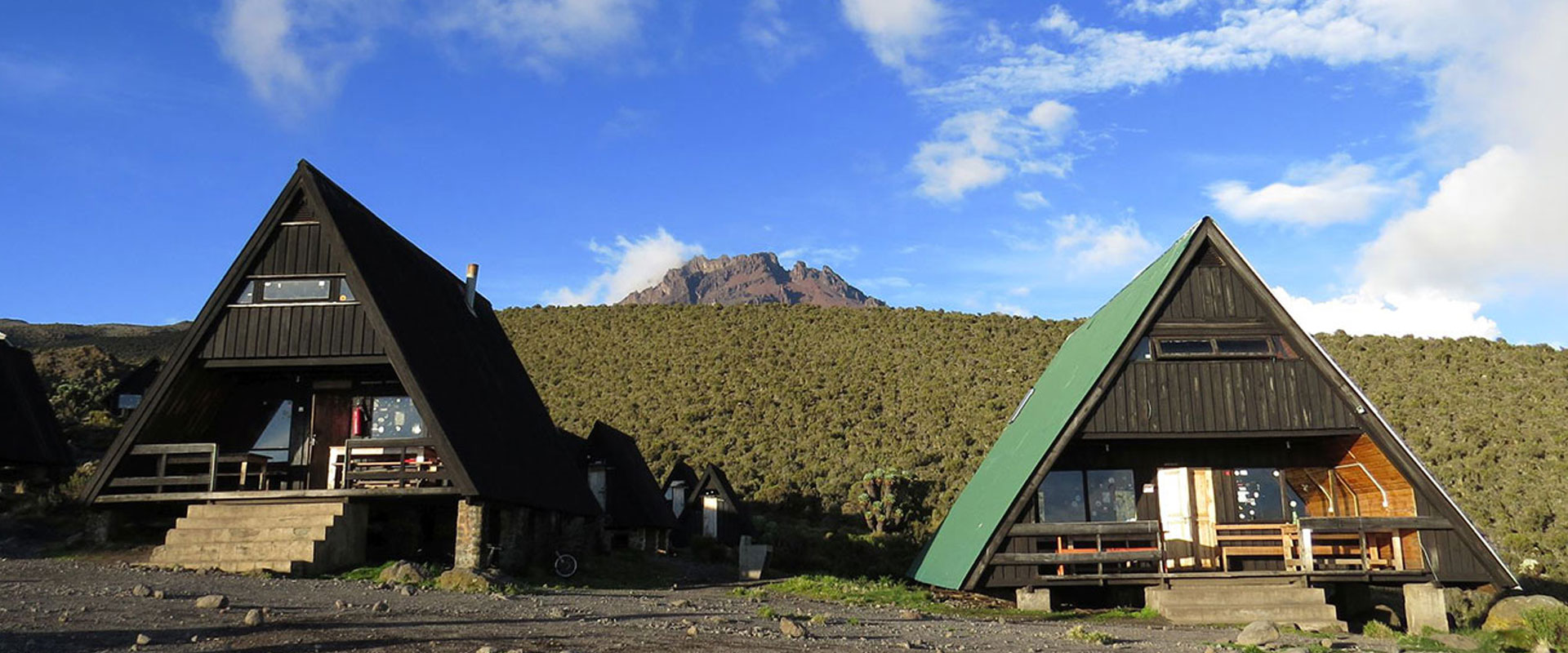
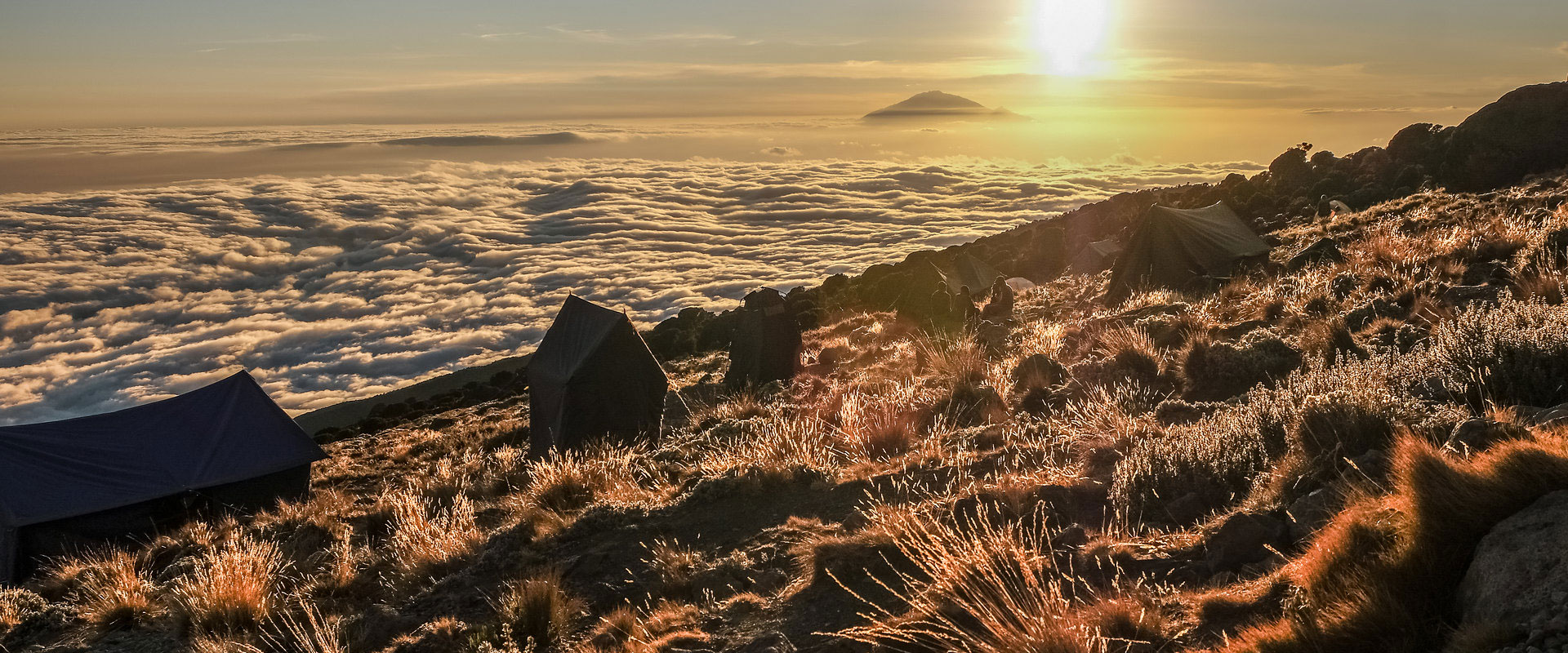
● Spectacular Mawenzi Views: Offers unique, up-close views of Mawenzi Peak (Kilimanjaro's second-highest, rugged volcanic cone) and the dramatic Kibo wilderness, culminating in a scenic descent down the Marangu trail.
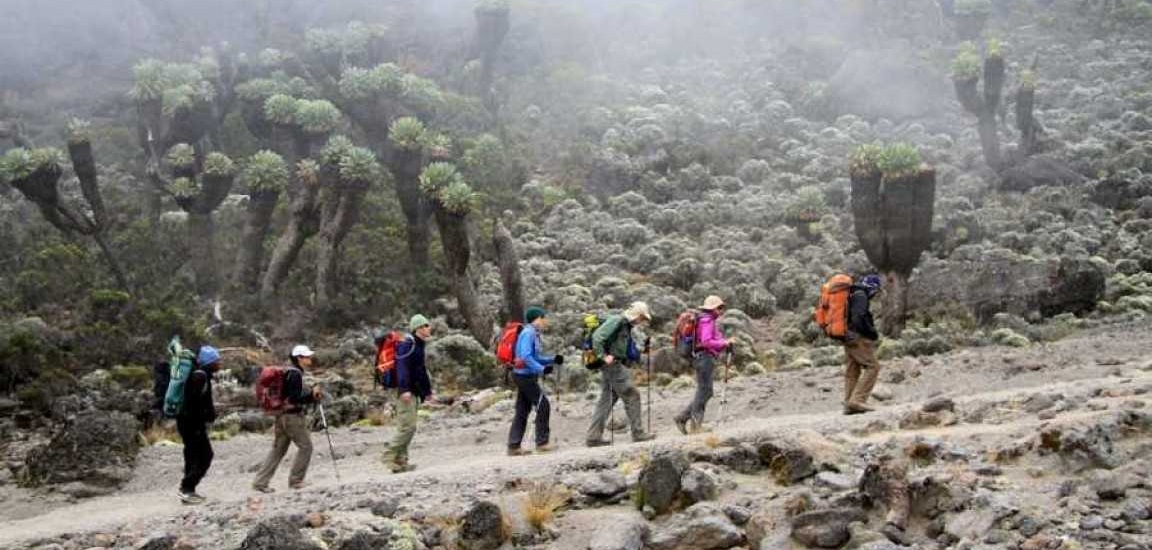
Start From $ 1960 Per Person.
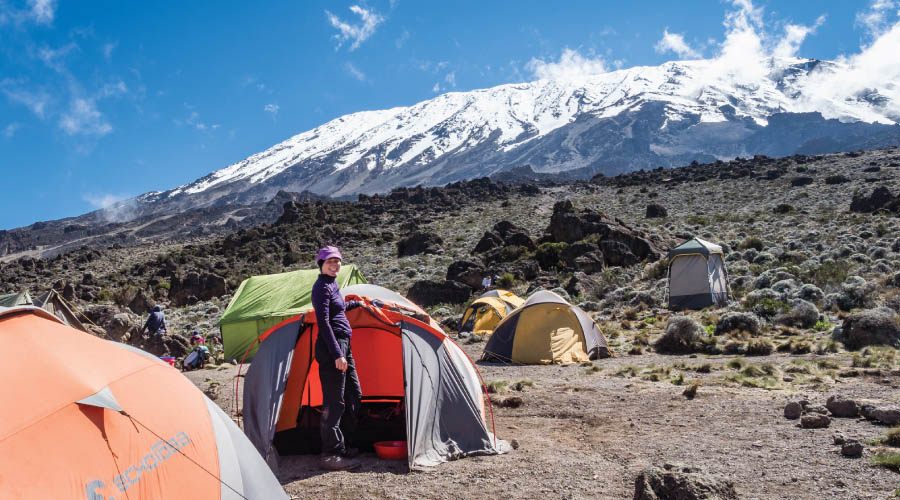
Start From $ 2150 Per Person.
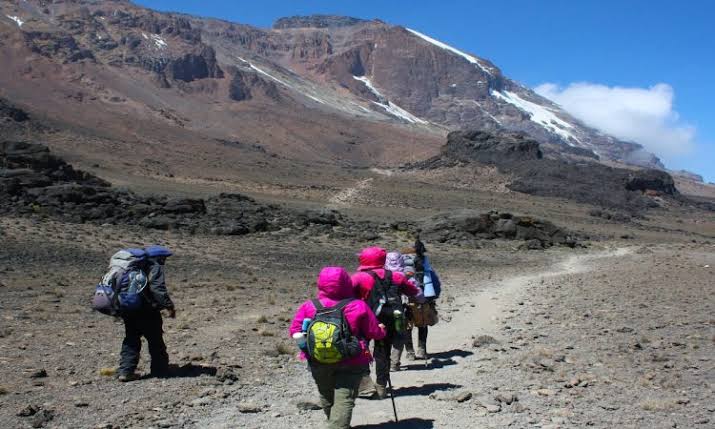
Start From $ 2260 Per Person.
1. How difficult is the Rongai Route?
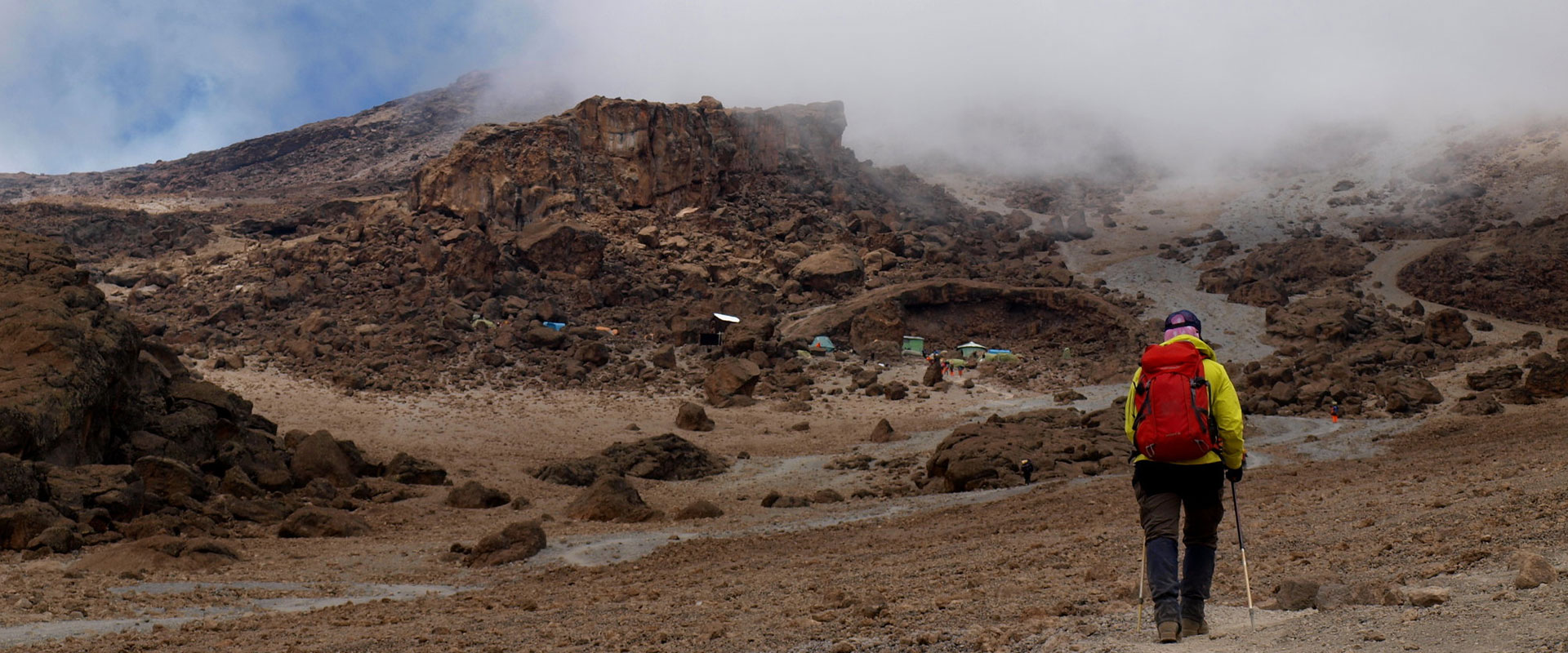
The Rongai Route is rated as moderate. It features gentler slopes and a much steadier incline compared to southern routes like Machame, making it physically less demanding and an ideal choice for trekkers seeking a more gradual ascent without technical obstacles or steep scrambles.
2. How many days are recommended for Rongai?
A 7-day itinerary is strongly recommended over the 6-day option. Choosing 7 days includes an extra acclimatization day at Mawenzi Tarn camp, giving your body crucial time to adapt to the high altitude and significantly boosting your chances of reaching Uhuru Peak.
3. What is the accommodation like?
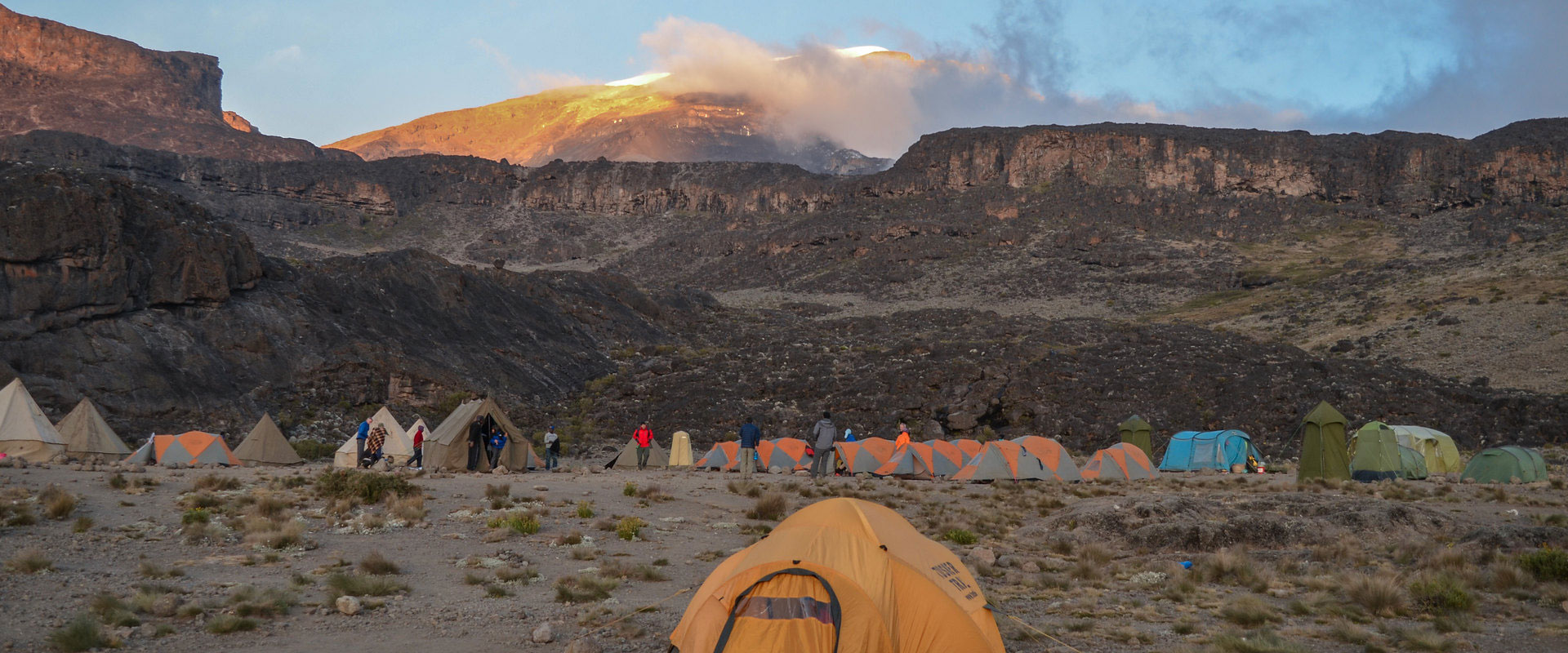
The Machame Route is a camping-only route. Full camping equipment (tents, mess tents, sleeping mats, and mobile toilets) is carried and set up by the support crew at each campsite.
4. When is the best time to climb?
The best months to climb Mount Kilimanjaro via the Lemosho Route are during the dry seasons:
● December through March (clear weather, warmer temperatures)
● June through October (cooler, dry skies)
Note: Because Rongai sits in the mountain’s rain shadow, it is also the best route option if you plan to climb during the wetter shoulder months of April, May, or November.

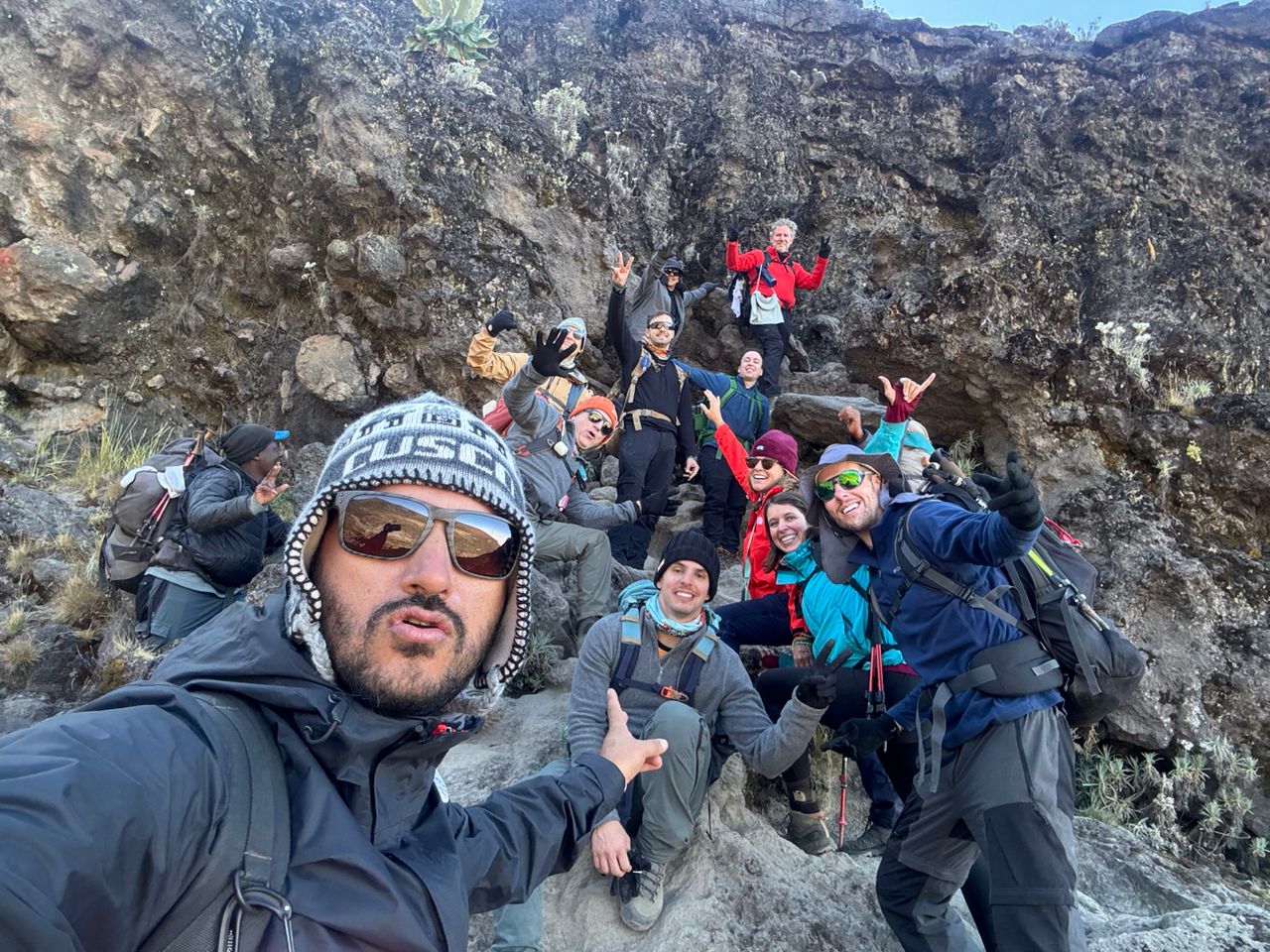
Experience Mount Kilimanjaro with local experts who prioritize your safety, comfort, and summit success. From custom itinerary planning to high-acclimatization routes, African Traces guides you every step of the way to Uhuru Peak with unmatched Tanzanian hospitality.
Contact Us