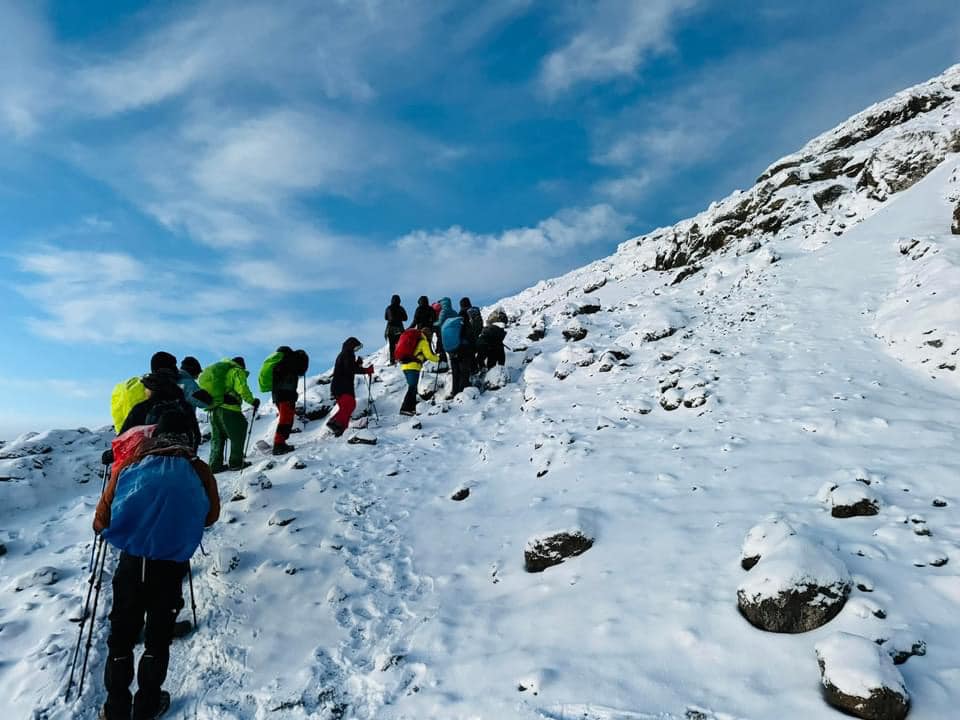
Preparing to summit Mount Kilimanjaro (5,895 meters / 19,341 feet) requires a structured approach across physical conditioning, altitude preparation, gear selection, and mental readiness. Below is a detailed breakdown of how to prepare effectively for a safe and successful ascent.
● Cardiovascular Base: Focus on low-impact, long-duration zone 2 cardio (cycling, rowing, swimming, or treadmill incline walks) 3–4 times a week to build aerobic capacity.
● Leg & Core Strength: Incorporate weighted squats, lunges, step-ups, and calf raises to prepare your legs for sustained elevation gain and long descents.
● Practice Hikes: Train with the exact boots and backpack (weighted to 6–8 kg / 13–17 lbs) you plan to use. Complete 4- to 8-hour weekend hikes on varied terrain to condition your joints and feet.
● Timeline: Begin targeted training 3 to 6 months prior to your climb.
● Route Selection: Choose itineraries lasting 7 to 9 days (such as the Lemosho, Machame, or Northern Circuit routes) rather than 5- or 6-day routes. Longer routes significantly improve acclimatization success.
● Pace ("Pole Pole"): Trek at a very slow, steady pace to conserve energy and keep your heart rate low.
● Hydration & Nutrition: Drink 4–5 liters of water daily to combat high-altitude dehydration. Maintain regular intake of complex carbohydrates even if altitude reduces your appetite.
● Medication: Consult a doctor regarding Acetazolamide (Diamox) to aid acclimatization, and carry remedies for mild headaches or nausea.
● Base Layer: Synthetic or Merino wool tops and bottoms that wick moisture away from your skin. Avoid cotton entirely.
● Insulating Layer: Mid-weight fleece jacket paired with a packable down jacket rated for temperatures down to -10°C to -15°C (14°F to 5°F) for summit night.
● Outer Shell: Breathable, waterproof, and windproof jacket (Gore-Tex or equivalent) and rain pants.
● Footwear: Sturdy, waterproof hiking boots broken in well before the trek, plus high-quality wool hiking socks and liner socks to prevent blisters.
● Sleeping Setup: Four-season sleeping bag (rated to -10°C / 14°F or lower) with a high R-value insulated sleeping pad.
● Accessories: UV-blocking sunglasses, trekking poles, a headlamp (with extra cold-resistant lithium batteries), thermal gloves, and a fleece beanie.
● Pacing the Summit Night: Expect a midnight start climbing 1,000+ meters in freezing temperatures and thin air over 6–8 hours; break the ascent down mentally hour-by-hour.
● Guide Communication: Inform your head guide immediately if you experience persistent headaches, dizziness, or nausea so they can evaluate Acute Mountain Sickness (AMS).
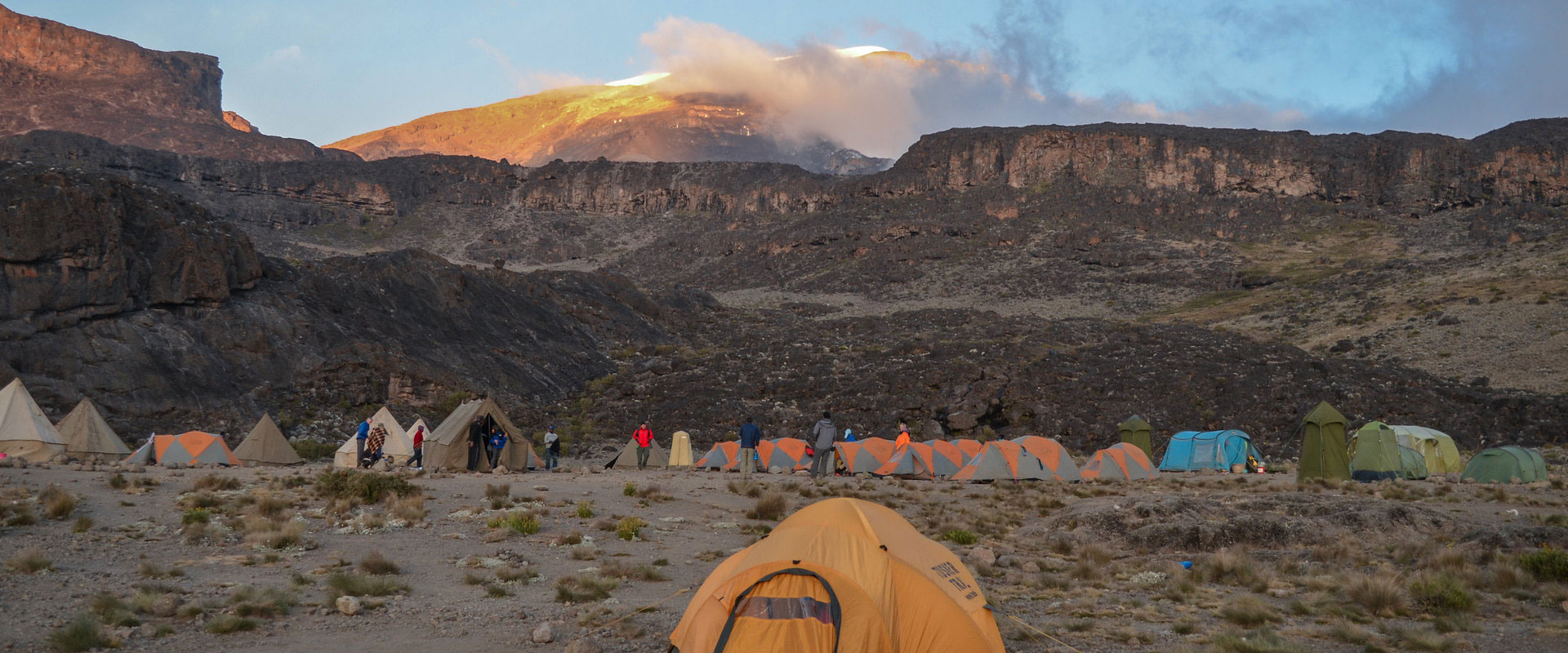
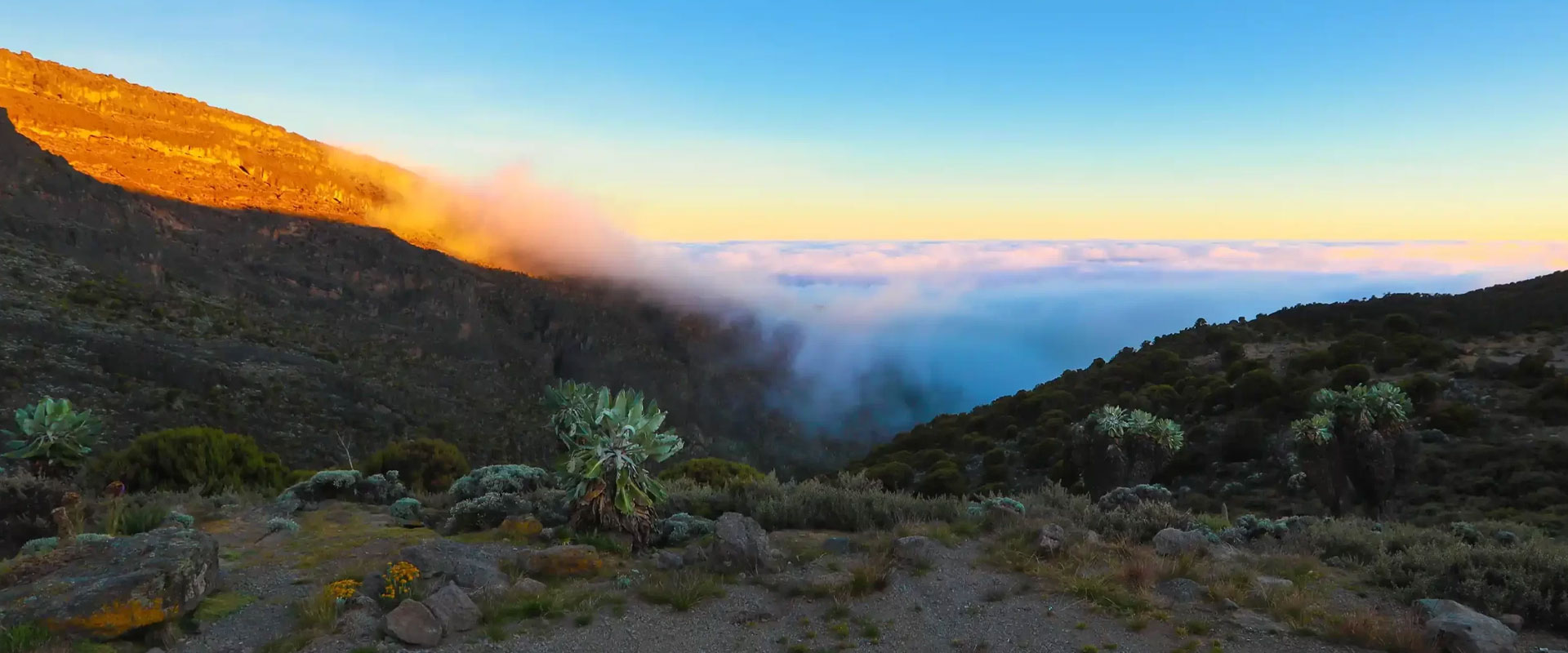
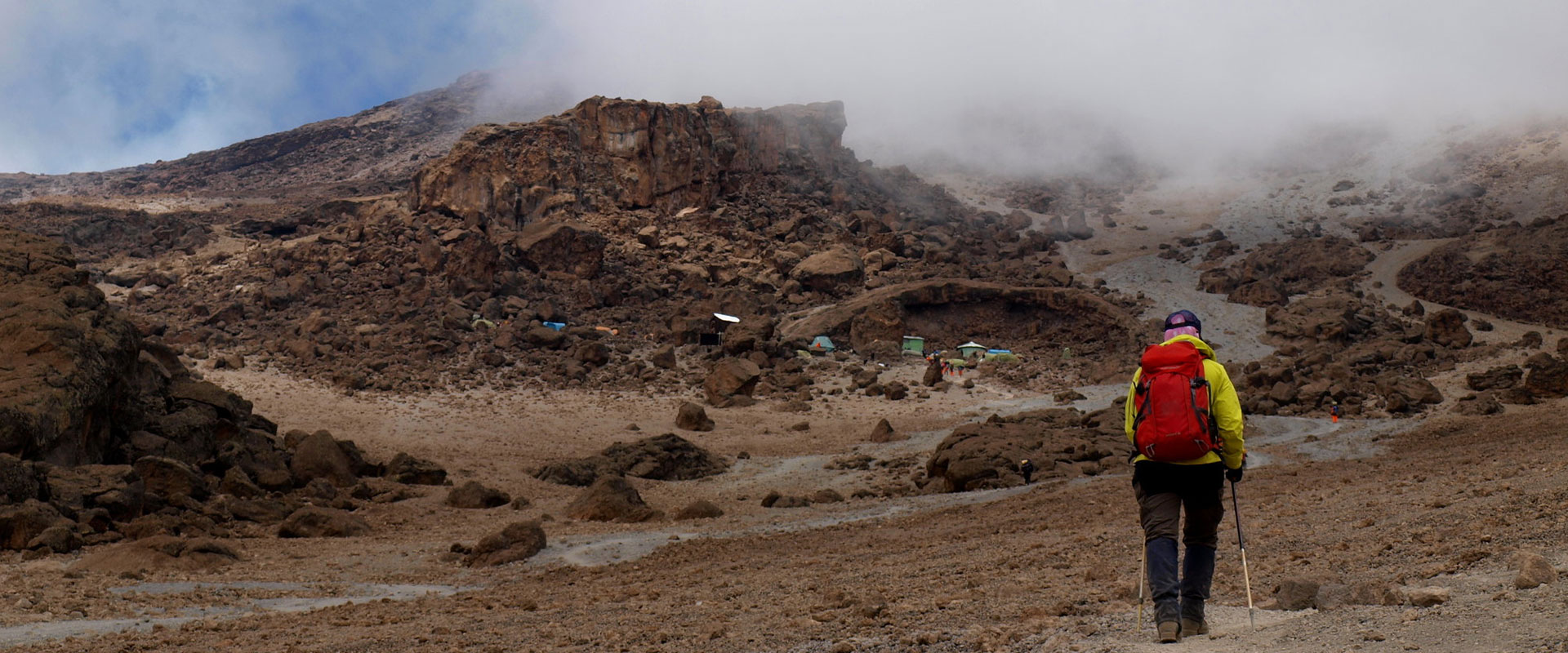
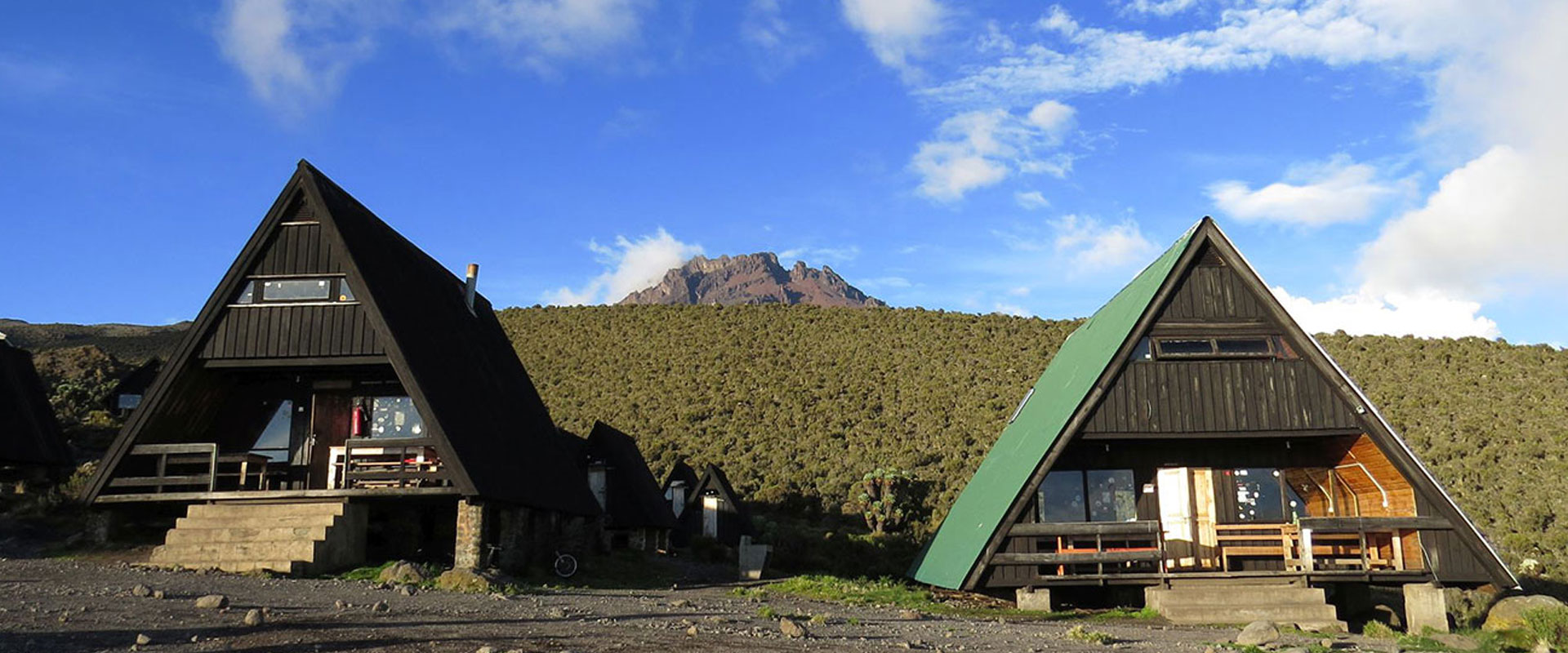
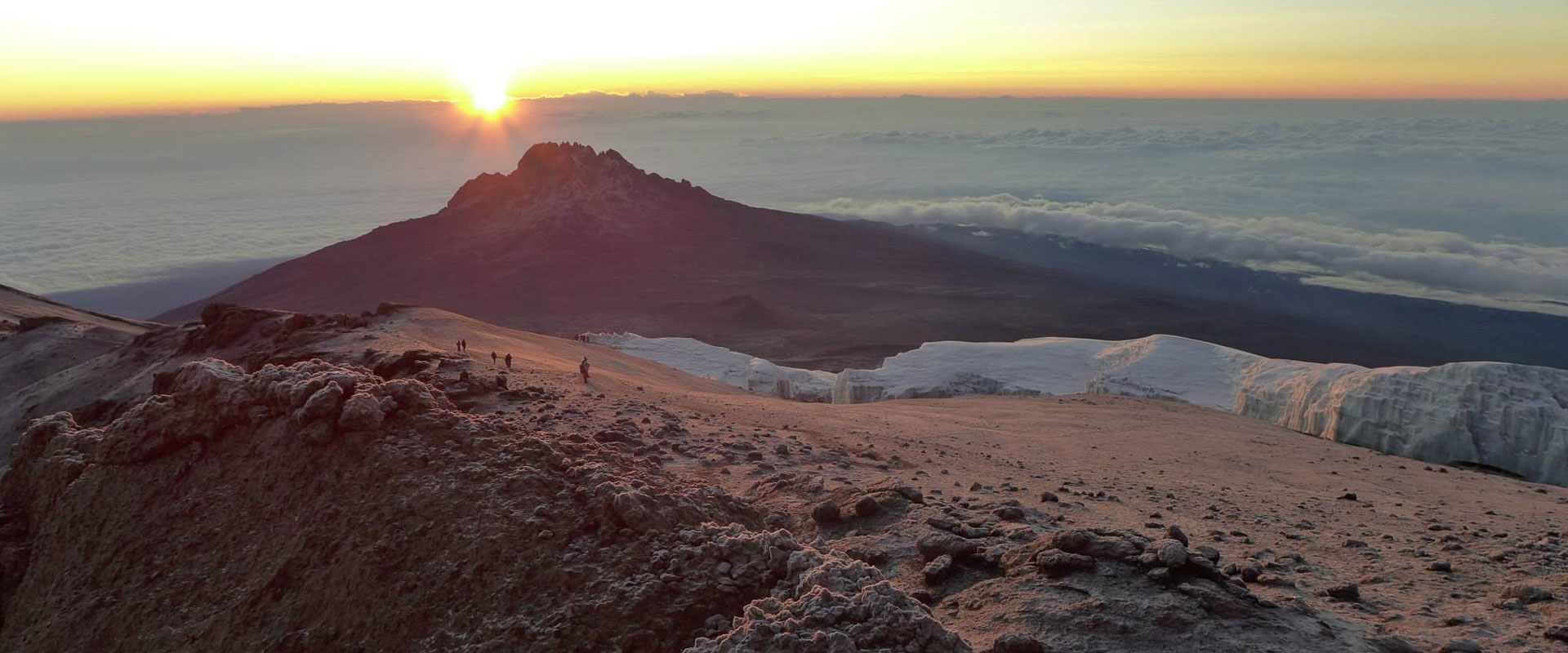
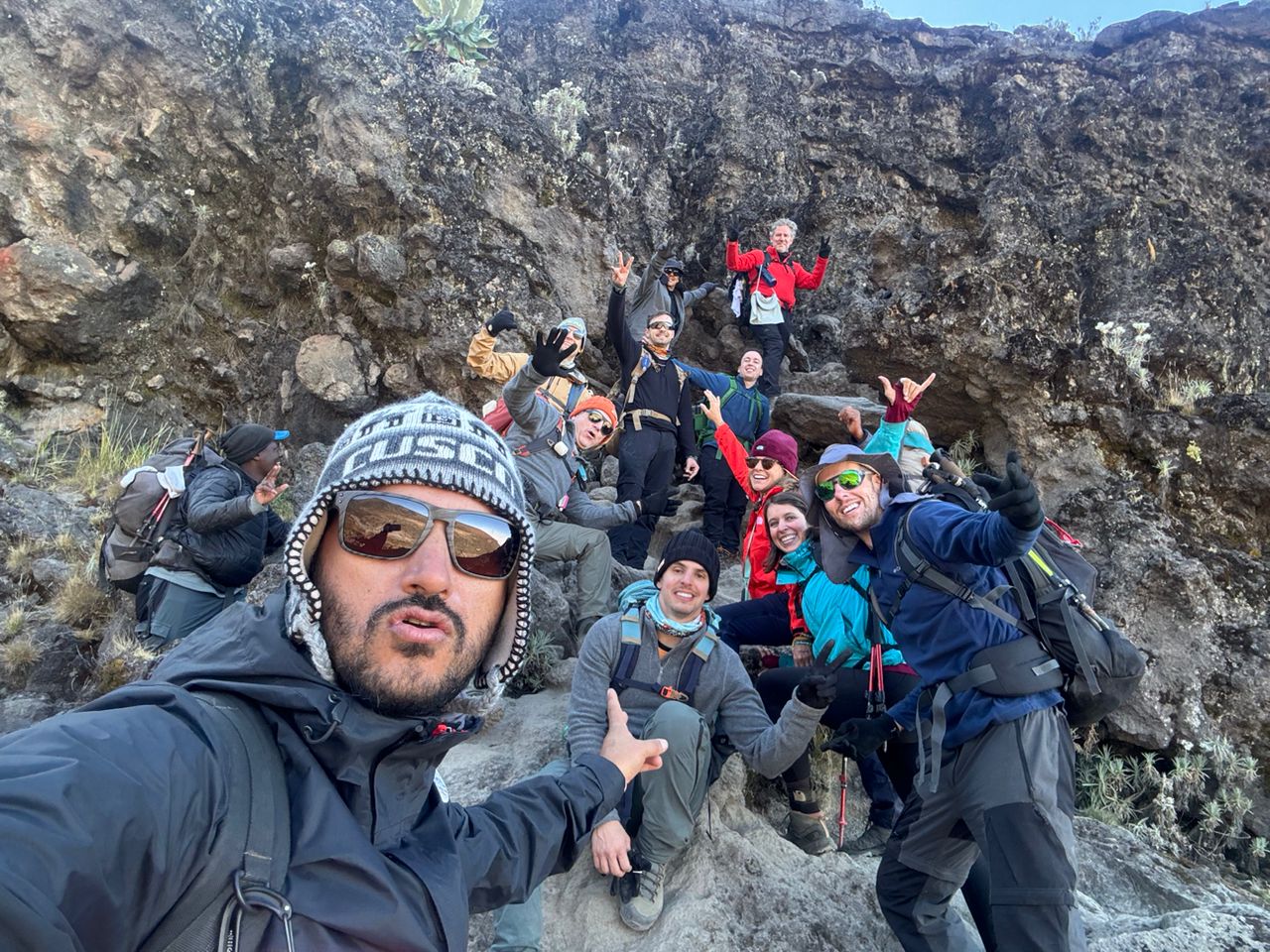
Experience Mount Kilimanjaro with local experts who prioritize your safety, comfort, and summit success. From custom itinerary planning to high-acclimatization routes, African Traces guides you every step of the way to Uhuru Peak with unmatched Tanzanian hospitality.
Contact Us